We’ve all been there. You’re driving down Soledad Canyon Road or cruising through the hills of Valencia, and suddenly you hear it: that high-pitched squeal or a faint grinding sound every time you hit the brakes. Your heart sinks a little because you know what’s coming: a trip to the shop and a potentially hefty bill.
The big question that pops into every driver’s mind is: “Do I really need to replace everything, or is the mechanic just trying to upsell me?”
At Z Way Automotive, we believe in transparency. We know that for many Santa Clarita residents, your car is your lifeline. Whether you’re commuting to LA or dropping the kids off at school, you need a vehicle that is safe, but you also don’t want to throw money away on unnecessary repairs.
In this guide, we’re going to pull back the curtain on the brake repair service world. We’ll explain what a “full” brake replacement actually entails, when you can get away with a minor fix, and when cutting corners could actually cost you more in the long run.
Understanding the “Brake System” Anatomy
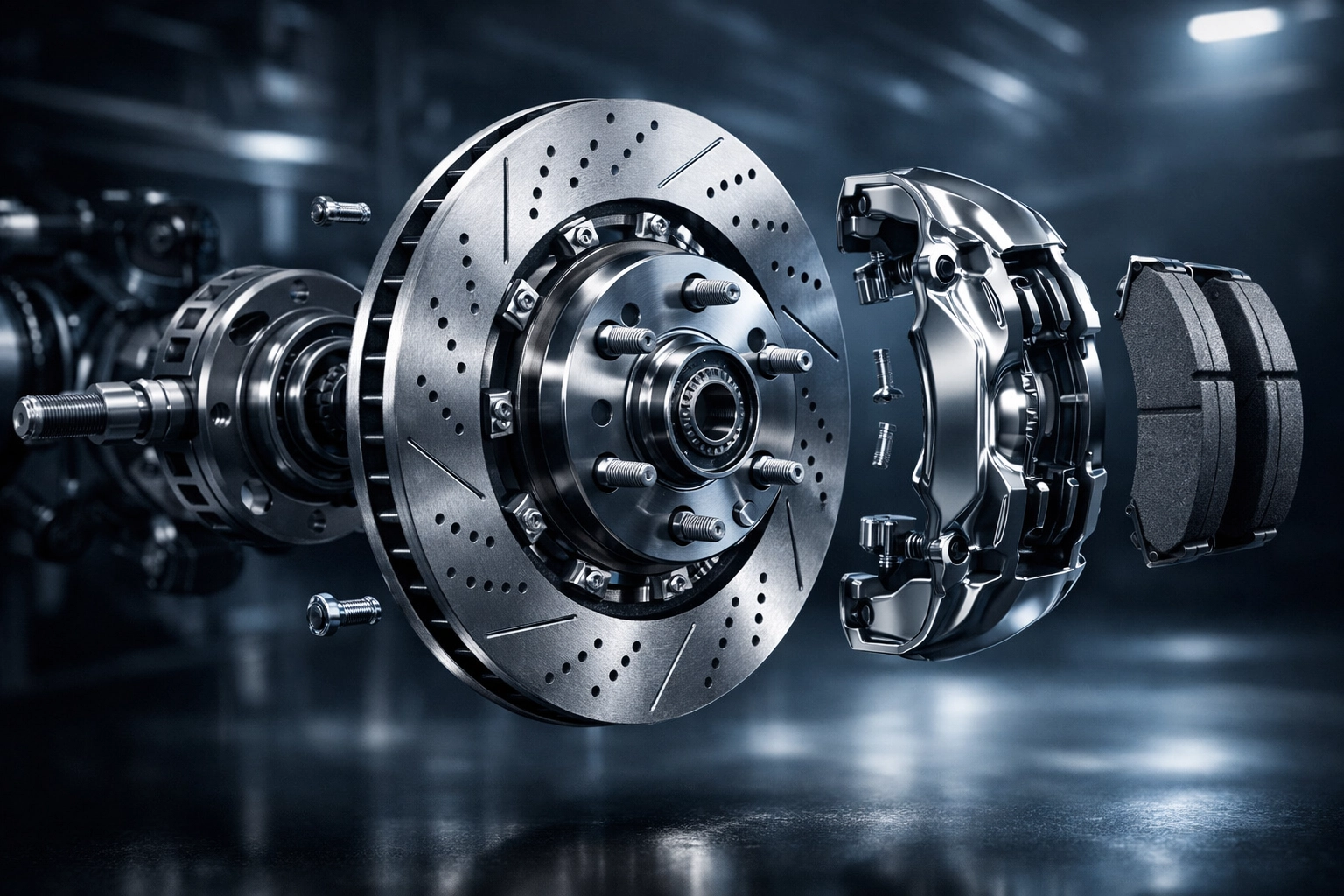
Before we can talk about replacement, we need to know what we’re looking at. Your brakes aren’t just one single part; they are a complex team of components working together to turn kinetic energy into heat (and stop your car).
- Brake Pads: These are the “sacrificial” parts. They are designed to wear down over time as they press against the rotors.
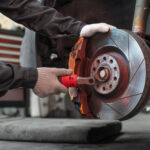
- Rotors (Discs): These are the metal discs that spin with your wheels. The pads grip these to stop the car.
- Calipers: These act like clamps that squeeze the pads against the rotors.
- Brake Fluid: The hydraulic “messenger” that tells the calipers to squeeze when you push the pedal.
- Hardware & Lines: The clips, bolts, and hoses that keep everything moving smoothly.
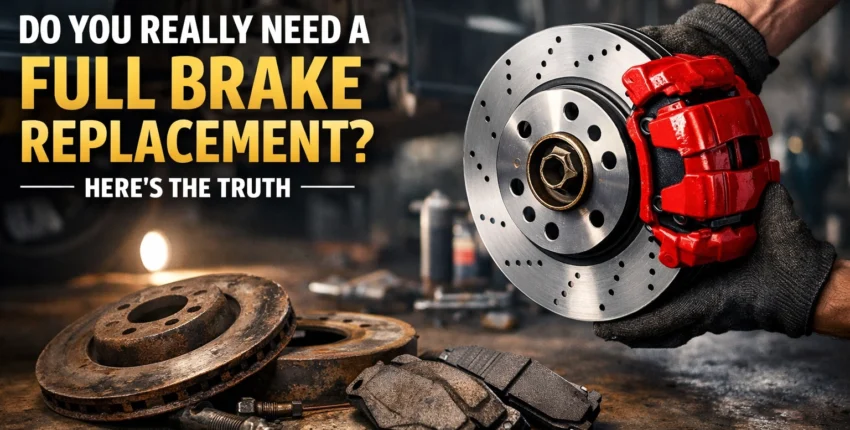
When someone says you need a “full brake replacement,” they usually mean replacing both the pads and the rotors, and potentially flushing the fluid. But is it always necessary?
The “Pad Slap” vs. The Complete Brake Job
In the industry, there’s a term called a “pad slap.” This is when a shop simply puts new pads on your old rotors without doing anything else. While this is the cheapest way to get a brake repair service, it’s often a recipe for frustration.
At Z Way Automotive, our ASE certified mechanic team rarely recommends a simple pad slap, and here is why: If your old rotors are even slightly warped or have “hot spots” (hardened spots from excessive heat), your brand-new pads won’t sit flat. This leads to:
- Squealing noises right out of the gate.
- Reduced stopping power.
- The new pads wearing out in half the time they should.
Think of it like putting brand-new high-performance tires on a car with a broken suspension. You can do it, but you aren’t getting the performance or the lifespan you paid for.
When Do Rotors Actually Need to Go?
The most common point of contention is the rotors. They are more expensive than pads, so naturally, people want to keep them as long as possible. Here is the truth: you don’t always have to replace them, but there are strict safety limits.
Our auto care experts look for a few key indicators:
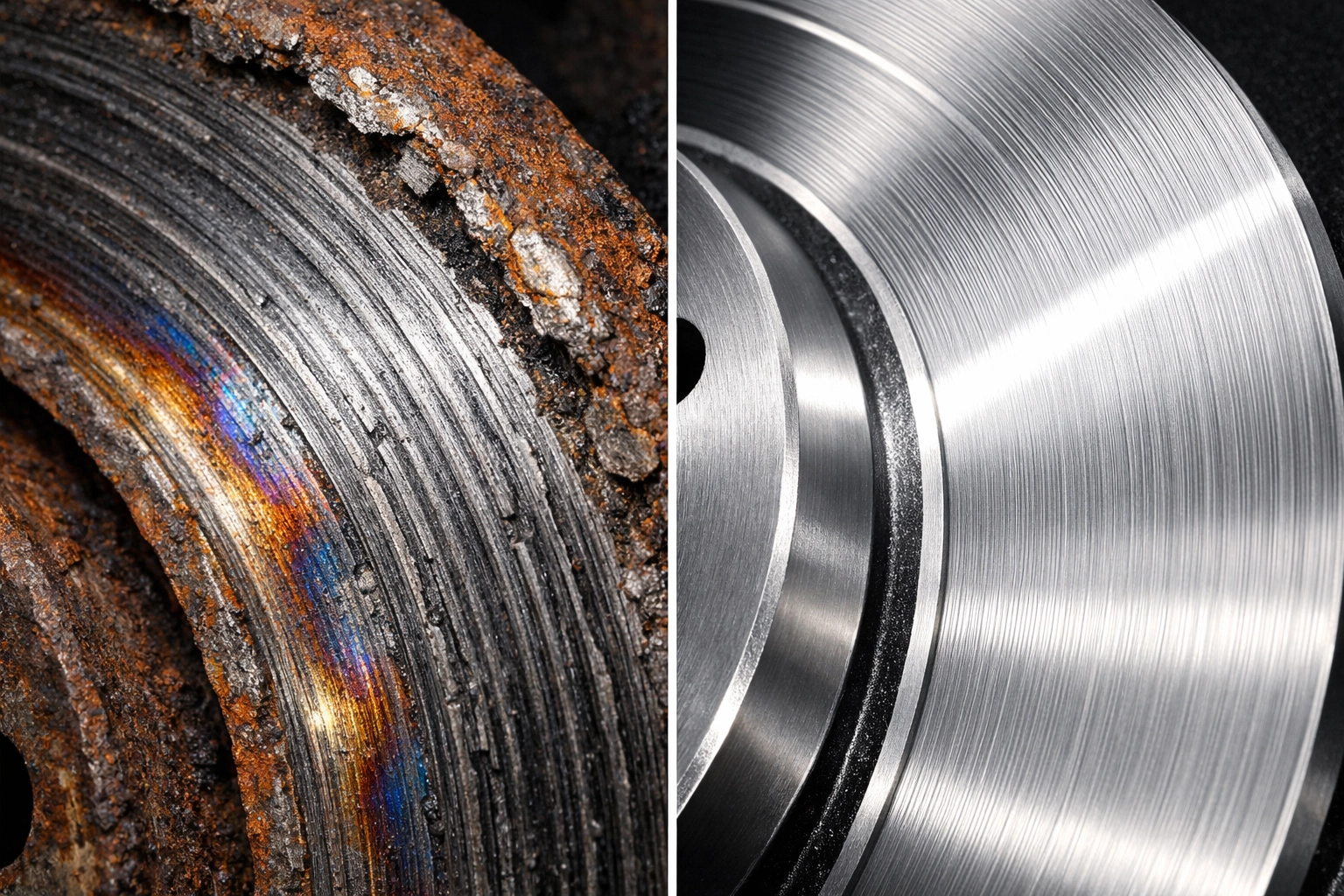
- Thickness: Every rotor has a “minimum discard thickness” stamped on it. If it’s too thin, it can’t dissipate heat properly, which leads to brake fade.
- Warping: If your steering wheel shakes when you brake, your rotors are likely warped.
- Scoring: If your pads wore down to the metal backing (the dreaded “grinding” sound), they have likely carved deep grooves into the rotor.
- Rust and Corrosion: Here in Santa Clarita, we don’t deal with road salt as much as the East Coast, but heat cycles and moisture can still cause significant “lip” or rust buildup on the edges of the rotor.
In some cases, if the rotor is thick enough and isn’t warped, we can “resurface” it (machining it flat again). However, with modern cars, rotors are made thinner to save weight, meaning there often isn’t enough metal left to safely resurface them.
The Santa Clarita Factor: Heat and Hills
Local geography plays a huge role in your brake health. If you live in Stevenson Ranch or Copper Hill, you’re dealing with significant elevation changes daily. Constant downhill braking generates immense heat.
Heat is the number one enemy of your brake system. When your brakes get too hot, the chemicals in the pads can “outgas,” creating a thin layer of gas between the pad and the rotor: this is called brake fade, and it feels like your pedal is going to the floor without stopping the car.
Because of our local climate and terrain, an ASE certified mechanic will often recommend high-quality ceramic pads or premium rotors that can handle the heat better than the “budget” options you might find at a big-box retail chain.
Don’t Forget the “Hidden” Component: Brake Fluid
One of the most overlooked parts of a brake replacement is the fluid. Brake fluid is “hygroscopic,” which is a fancy way of saying it absorbs water from the air. Over time, this moisture can cause internal corrosion in your calipers and master cylinder. It also lowers the boiling point of the fluid.
If you’re having a brake repair service done and the shop doesn’t mention the fluid, they might be missing a critical safety step. We generally recommend a brake fluid flush every two years to ensure your electrical systems and ABS modules don’t get damaged by contaminated fluid.

Signs You Might Need More Than Just Pads
Sometimes the problem isn’t the pads or rotors at all. If you notice these symptoms, you might be looking at a more comprehensive repair:
- Pulling to one side: This often indicates a “seized” caliper that isn’t releasing or applying pressure evenly.
- A “Spongy” Pedal: This is usually air in the lines or a failing master cylinder.
- The Brake Light is On: This could be a sensor issue or a sign that your fluid level is dangerously low. If this is paired with a check engine light, you should check out our guide on what it means and what to do next.
Why Professional Diagnostics Matter
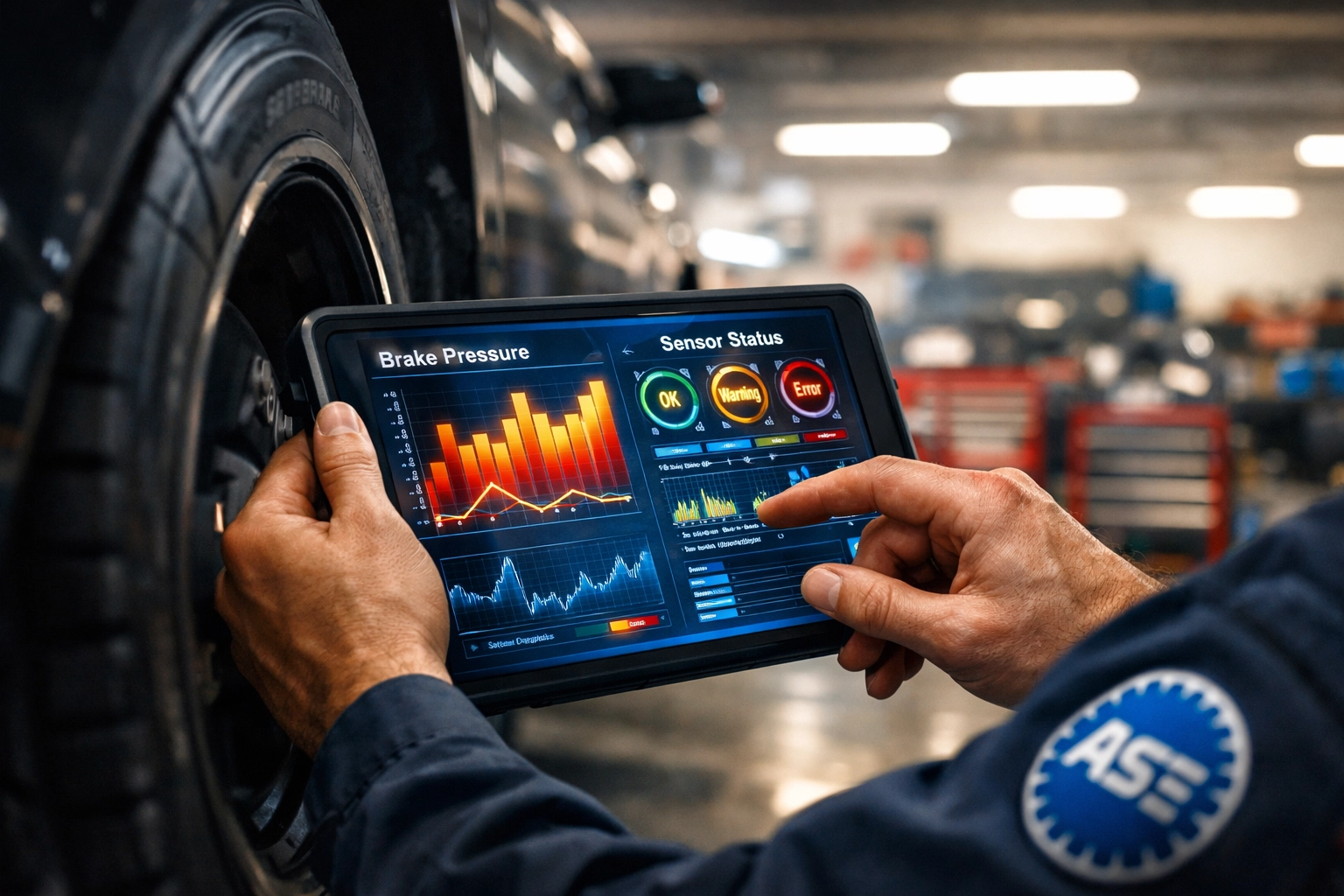
It’s tempting to watch a YouTube video and try to DIY your brakes. While simple in theory, the modern braking system is integrated with your car’s computer, traction control, and stability systems.
At Z Way Automotive, we use advanced diagnostics to ensure that the hardware is just as healthy as the software. We don’t just “guess” at what parts you need. We measure, test, and provide an honest assessment. If your rotors have another 10,000 miles in them, we’ll tell you. If they are a safety hazard, we’ll show you why.
The Verdict: Do You Need the Full Replacement?
The truth is, while you might not always need every single bolt and clip replaced, opting for a complete brake service (pads, rotors, and fluid) is almost always the better long-term investment. It ensures:
- Safety: Maximum stopping power when a deer jumps out on San Francisquito Canyon Road.
- Quiet Operation: No embarrassing squeaks at the stoplight.
- Longevity: Components that wear evenly and last longer.
- Peace of Mind: Knowing the job was done by a professional who stands behind their work.
If you’re unsure about the state of your brakes, don’t wait until the “squeal” turns into a “grind.” Driving on worn brakes can damage other parts of your suspension and steering, turning a simple pad change into a very expensive overhaul.
Experience the Z Way Difference in Santa Clarita
At Z Way Automotive, we’ve built our reputation on being the most trustworthy auto repair shop in Santa Clarita. We treat every car like it’s our own, providing detailed communication and ASE-certified expertise.
Whether you need a routine check-up or complex transmission services, we’re here to help you stay on the road safely. Stop by our shop or contact us today to schedule a comprehensive brake inspection. Let’s make sure your car is ready for whatever the Santa Clarita roads throw at it!